How UFC Weight Cuts Affect Betting: Signs, Risks, and Market Reactions
 Available in US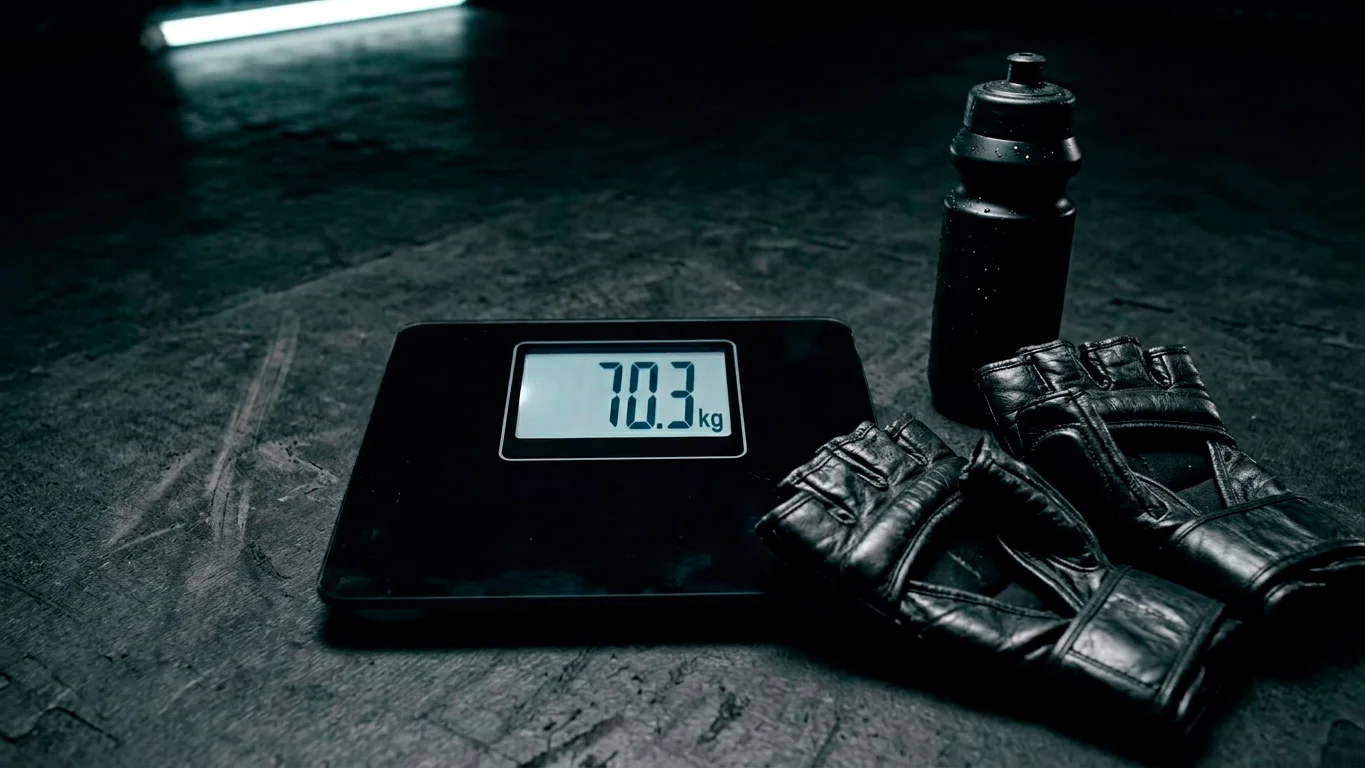
A fighter I had backed at 4/7 missed weight by two pounds the morning of the weigh-ins. Within an hour, his odds had drifted to 4/9 — shorter, not longer. The market interpreted the missed weight as evidence that he would be the bigger, stronger fighter on fight night, having failed to deplete himself fully. He won by second-round TKO. The line movement made sense in hindsight, but in the moment, it contradicted every instinct I had about what missing weight meant. That contradiction is exactly why weight cuts deserve a dedicated place in your UFC betting process.
Every fighter on the UFC roster cuts weight. The question is not whether they do it, but how much they cut and how it affects their performance inside the octagon.
How Weight Cuts Affect Performance
Weight cutting in MMA involves two phases: a chronic diet phase over weeks and an acute dehydration phase in the final 24 to 48 hours before weigh-in. The dehydration phase is where the damage occurs. Fighters shed water weight through sweat — using saunas, hot baths, and exercise in heavy clothing — to drop anywhere from 5 to 15 pounds below their natural weight in order to make the division limit.
After weighing in, fighters have roughly 24 hours to rehydrate before the fight. Most regain the majority of the weight they cut, but the physiological cost of extreme dehydration does not fully reverse in that window. Fighters who cut aggressively often enter the cage with reduced cardiovascular capacity, slower reaction times, and a diminished chin — the ability to absorb strikes without being knocked down or stopped.
Favourites won about 72% of UFC bouts in 2024, but that percentage shifts when you isolate fights where one or both fighters endured a particularly difficult cut. Hard-cutting fighters are more likely to fade in later rounds, more susceptible to body shots that exploit their compromised conditioning, and more prone to finishing early if they feel their cardio deteriorating. These patterns create specific betting opportunities in the totals and method markets.
The under becomes more attractive when a known hard cutter is fighting — not because they are more likely to lose, but because they are more likely to push for an early finish before their body fails them. The decision market becomes less attractive in the same scenario because the fighter’s conditioning may not sustain a three-round pace.
Weigh-In Signals Bettors Can Read
Weigh-ins are the only moment in the fight week where the public can observe a fighter’s physical condition before the bout. Learning to read the visual and procedural signals from weigh-ins gives you an informational edge that many casual bettors ignore entirely.
The first signal is the weigh-in itself: did the fighter make weight on the first attempt, or did they need the two-hour grace period to cut the final fraction? Fighters who make weight comfortably on the first try have typically managed their cut well. Those who require the full allowance — or who barely make it — have been through a more punishing dehydration process.
Visual appearance matters. A fighter who looks gaunt, hollow-cheeked, and visibly depleted at weigh-in has pushed their body harder than one who looks lean but healthy. These visual cues are subjective, but with experience you develop a sense for which fighters look drained versus which fighters look sharp. Comparing weigh-in photos from the current fight to previous fights at the same weight can reveal whether this cut was harder than usual.
Toby from Punter2Pro makes the broader point that underdogs win surprisingly often in MMA, and with the right analysis, bettors can find value where bookmakers may underrate a fighter’s style or momentum. Weight cut distress is one of those underrated factors — a favourite who barely makes weight may be significantly compromised, and the market does not always adjust the price enough to reflect that compromise.
Missed Weight and Odds Movement
When a fighter officially misses weight — failing to hit the division limit even with the grace period — the market reacts, but not always in the direction you might expect. The UFC runs 43 live events annually, and missed weights occur on a meaningful fraction of those cards.
The intuitive assumption is that missing weight damages the fighter who missed — they face a financial penalty (typically 20% to 30% of their purse), they cannot win a title if it is a championship bout, and they have demonstrated an inability to manage their preparation. All of this is true. But the market often shortens the odds on the fighter who missed weight because the physical reality is that they will enter the cage larger, heavier, and potentially stronger than their opponent, who did make weight and endured the full depletion.
The opponent who made weight is the one to watch more closely. They have gone through a full cut while knowing their opponent did not, which can be psychologically disorienting. Some fighters react with anger and motivation. Others are deflated by the unfairness of the situation. There is no universal pattern, but I have found that fighters who made weight against opponents who missed are slightly more likely to start fast — pushing the pace early, before the size advantage of the heavier fighter becomes a factor in the later rounds.
Factoring Cuts Into Your Analysis
Weight cut analysis should be part of your pre-fight checklist, not an afterthought triggered only by a missed weight headline. Before every fight, I check three things: the fighter’s history of making weight at this division (have they missed before?), the time between their last fight and this one (shorter turnarounds mean harder cuts), and any social media or media reports about the cut’s difficulty.
Fighters moving up in weight class are often undervalued by the market because the move carries a narrative of weakness — “they could not make weight at the lower division.” In reality, a fighter who moves up often performs better because they are no longer depleting themselves, their cardio improves, and their chin is more resilient. The market discounts them based on the perceived stigma of moving up, which creates value.
Fighters moving down in weight class present the opposite dynamic. The cut is more severe, the physical toll is higher, and the transition period — typically one or two fights at the new weight — carries elevated risk. If a fighter’s first bout at a lower weight class involves a dramatically harder cut than their historical norm, the under on rounds and the early-finish method markets become more interesting. For a broader view of how division dynamics shape your betting choices, the weight class betting guide covers those patterns across all twelve divisions.
The Cut Is Part of the Fight
Weight cutting is invisible to most of the betting public, which is precisely why it offers an edge to those who pay attention. The fight does not begin when the referee says go. It begins days earlier, in a sauna or a bathtub, where a fighter’s preparation — or desperation — sets the physiological conditions for everything that follows inside the cage. Read the weigh-ins, study the patterns, and let the public’s blindness to the cut work in your favour.
How do weight cuts affect UFC fight outcomes?
Extreme weight cuts can reduce a fighter’s cardiovascular capacity, reaction speed, and ability to absorb strikes. Fighters who cut aggressively are more likely to fade in later rounds and more susceptible to body strikes. These effects create opportunities in the totals market — the under becomes more attractive when a known hard cutter is fighting — and in method markets where early finishes are more probable.
Do odds change when a UFC fighter misses weight?
Yes, but not always in the expected direction. The market often shortens the odds on the fighter who missed weight because they will enter the cage heavier and potentially stronger than their opponent. The opponent who made weight may see their odds drift longer despite having managed their preparation correctly. The actual movement depends on the specific fighters, the weight miss margin, and how the market interprets the competitive impact.
Created by the ”how to bet on a ufc Fight” editorial team.