UFC Betting Integrity and IC360 Market Monitoring
 Available in US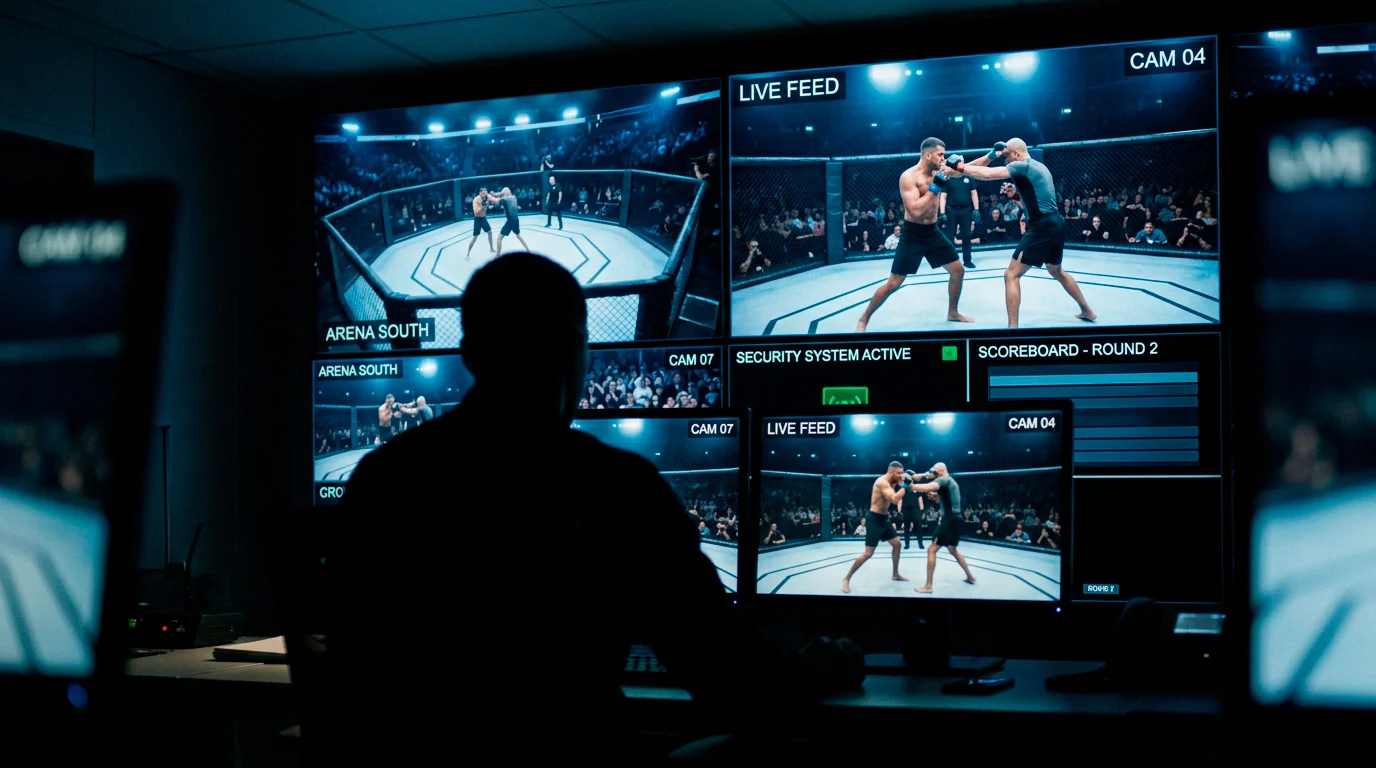
In January 2026, a fight was pulled from a UFC card hours before the event because a betting integrity alert flagged suspicious wagering activity. The bout — Michael Johnson versus Alex Hernandez at UFC 324 — never happened. It was the most visible example of a system that had been quietly operating in the background for years, and it raised a question that every UFC bettor should be able to answer: how safe is the market you are betting into?
The UFC has partnered with IC360 — formerly known as U.S. Integrity — since January 2023 to monitor wagering activity on every single event. That partnership and the incidents it has uncovered tell a story about the state of integrity in MMA betting that is more nuanced than the headlines suggest.
IC360 Infrastructure – Detecting Abnormal Betting Action
IC360 operates as an independent integrity service that tracks betting data across licensed operators in real time. For every UFC event, their systems analyse betting patterns — volume, timing, directionality, and the identity of the accounts placing wagers — to identify anomalies that could indicate insider information or manipulation.
When the system flags a fight, IC360 alerts the UFC and the relevant regulatory authorities. The alert does not mean manipulation has occurred — it means the betting patterns deviate from what the models expect based on the fighters’ profiles, the odds, and historical norms. Some flags are resolved as false positives driven by sharp bettors or viral social media tips that concentrate money on one side. Others trigger deeper investigations.
The Dulgarian fight at UFC Vegas 110 in November 2025 illustrated how the system works in practice. Odds on Isaac Dulgarian shifted dramatically — from the equivalent of a clear favourite to a much narrower line — before the bout, driven by anomalous one-sided action. IC360 flagged the activity, multiple operators refunded all bets on the fight after it took place, and an investigation followed. The line movement itself — from -250 to -154 in American odds terms — was visible to anyone tracking the market, but the IC360 system detected the pattern before the fight and escalated it to the UFC.
The Dulgarian Case and What Followed
The November 2025 incident was not the first time UFC betting integrity made headlines, but it was the most significant since the Minner case in 2022. The rapid odds shift, the post-fight refunds from operators including Caesars and DraftKings, and the public acknowledgement from the UFC that the matter was under review brought the issue of fight manipulation into mainstream sports media.
Dana White’s response was characteristically blunt. He warned that anyone attempting to compromise the integrity of UFC events would face the full weight of the organisation’s resources and law enforcement partnerships, including the FBI. That warning was not empty rhetoric — the 2022 case involving Darrick Minner and Jeff Molina had resulted in three-year disqualifications from the Nevada Athletic Commission for both individuals, demonstrating that consequences do follow credible integrity breaches.
For bettors, the Dulgarian case carried a practical lesson: if the line on a fight is moving dramatically without any public explanation — no injury news, no weight miss, no change in training camp reports — treat the movement as a warning signal rather than a betting opportunity. The odds shift reflected information that most of the market did not have, and betting into that information gap is a losing proposition regardless of which side you take.
The Johnson-Hernandez Pull at UFC 324
The January 2026 incident went further than any previous case. Rather than allowing the fight to proceed and investigating afterward, the UFC pulled the Johnson-Hernandez bout from the UFC 324 card entirely based on an IC360 alert about suspicious pre-fight wagering activity.
White was candid about the decision. He acknowledged the integrity service’s alert and stated plainly that the organisation would no longer take the risk of allowing flagged fights to proceed. The message to the roster was explicit: if a fight generates an integrity flag, it gets pulled. No discussion, no second chances.
This was a meaningful shift in approach. Previously, the UFC had allowed flagged fights to take place and investigated afterward — a reactive model. The Johnson-Hernandez pull represented a proactive model: prevent the potentially compromised event from occurring rather than cleaning up after the fact. For bettors, this is positive. A pulled fight means no money at risk on a compromised outcome. The cost is a voided bet and a missed opportunity; the benefit is protection from a market that may have been manipulated.
What Integrity Issues Mean for Everyday Bettors
The natural reaction to integrity scandals is alarm — if fights can be compromised, why bet on the sport at all? But the reality is more measured. The UFC stages 43 events per year with a total of roughly 500 fights annually. The number of fights that have generated credible integrity alerts is a tiny fraction of that total. The system exists, it catches anomalies, and the consequences for those involved are severe.
That said, bettors should build integrity awareness into their process. Watch for unexplained line movement, particularly on lower-profile fights with less public attention. If a line moves sharply in one direction without any corresponding news, consider passing on the fight entirely. The edge you might gain by following the line is not worth the risk of betting into a compromised market.
Fighters in the UFC earn approximately 16% to 20% of the organisation’s revenue — significantly less than the roughly 50% revenue share in the NBA, NFL, and NHL. That pay disparity is often cited as a structural factor that increases the temptation for manipulation, particularly among lower-ranked fighters on smaller purses. While the connection between pay and integrity is debated, it is a contextual factor worth understanding as a bettor. Fights involving fighters on the lowest pay tiers, particularly those with mounting debts or financial pressures reported in the media, warrant extra scrutiny of the betting lines.
For a detailed guide on how line movement works in normal market conditions — and how to distinguish suspicious shifts from ordinary sharp action — the line movement guide covers the mechanics of reading odds shifts before fight night.
Trust the System, Verify the Market
The UFC’s integrity infrastructure is more robust than it has ever been. IC360 monitors every event, operators refund suspicious bouts, and the organisation has demonstrated a willingness to pull fights rather than allow compromised outcomes. None of this makes the market perfectly clean — no sports betting market in any sport is — but it does mean the risks are managed and the worst cases are caught. As a bettor, your job is to stay informed, monitor the lines, and treat unexplained movement as a signal to step back rather than step in.
Has the UFC ever cancelled a fight because of suspicious betting?
Yes. In January 2026, the bout between Michael Johnson and Alex Hernandez was pulled from the UFC 324 card after IC360, the UFC’s independent betting integrity partner, flagged suspicious wagering activity. Dana White confirmed the decision publicly, stating that the organisation would no longer allow flagged fights to proceed.
What does IC360 do to monitor UFC betting activity?
IC360 — formerly U.S. Integrity — operates as an independent integrity service that analyses real-time betting data across licensed operators for every UFC event. Their systems track betting volume, timing, directionality, and account-level patterns to identify anomalies that could indicate insider information or manipulation. When a fight is flagged, IC360 alerts the UFC and relevant regulatory authorities for further investigation.
Created by the ”how to bet on a ufc Fight” editorial team.