UFC Prop Bets and Specialist MMA Wagering Markets
 Available in US
There was a stretch in 2021 where my best returns did not come from picking winners. They came from fight props — bets on whether a bout would go the distance, whether a specific fighter would land a knockdown, whether the fight would end inside the first round. I had stumbled into a part of the market where the general public paid less attention and the pricing reflected that inattention. Prop bets remain one of the least explored corners of UFC betting for UK punters, and that is precisely why they deserve your attention.
The UFC stages 43 events per year — 13 numbered cards and 30 Fight Nights — delivering roughly 350 hours of live action. Every one of those fights generates a cluster of prop markets alongside the standard moneyline and method bets. This guide catalogues the main categories of props, explains how each one works, and flags where the pricing tends to be softest.
Fight Duration Props – Betting on Round Completion
Go the Distance
The “fight to go the distance” prop is a yes/no market on whether the bout reaches the judges’ scorecards. It strips away everything except duration. You do not need to pick a winner or a method — just whether both fighters survive to the final bell.
This is my favourite prop market because the analysis is relatively contained. Fighters with high output but limited finishing power, durable chins, and a tendency to win on volume rather than damage are strong candidates for a “yes” selection. When two such fighters meet, the probability of a decision climbs sharply, and the “yes” price can offer genuine value — especially on Fight Night cards where the matchmaking often produces competitive but lower-profile bouts that the public ignores.
The “no” side works when the matchup features a clear finishing disparity. A knockout artist facing a fighter with a known vulnerability to power — poor defensive head movement, a tendency to stand and trade — tilts the fight toward a stoppage and makes “no” the side to be on.
Time Props
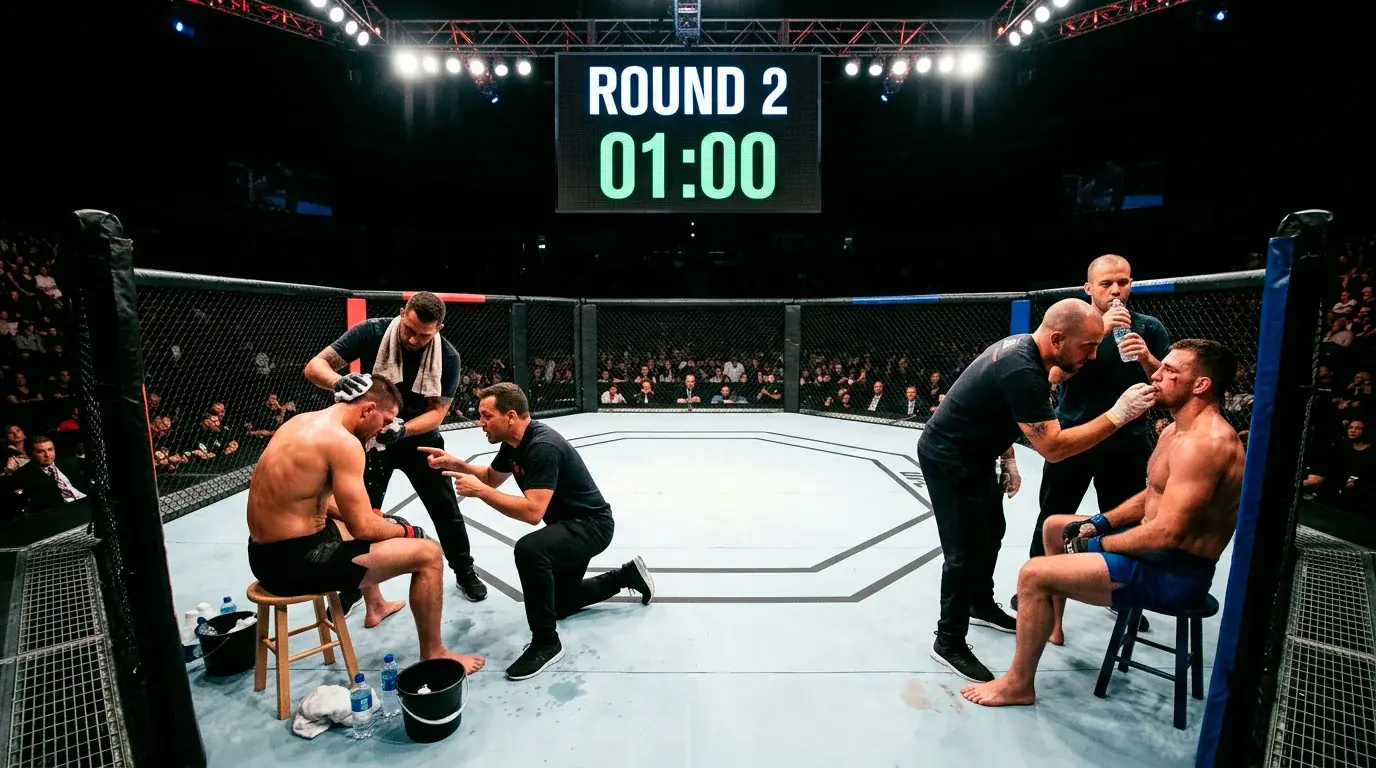
Time props predict when the fight ends within a specific window. Common formats include the fight ending in round one, the fight ending in round two, or grouped formats like “fight ends in rounds one to two.” Some bookmakers offer minute-specific time props, though these are less common for UFC events in the UK.
The pricing on time props is often the loosest in the entire fight card because bookmakers assign small probabilities to each window and the margins compound. If you have a strong conviction about a specific timing scenario — a slow starter facing a fast finisher, for example — the time prop can pay significantly better than the corresponding round bet because it is even more precise.
Fighter Performance Props
Performance props focus on individual fighter actions during the bout: total significant strikes landed, takedowns completed, knockdowns scored, or submission attempts. These markets are more common on numbered events with higher-profile fights, and availability varies between bookmakers.
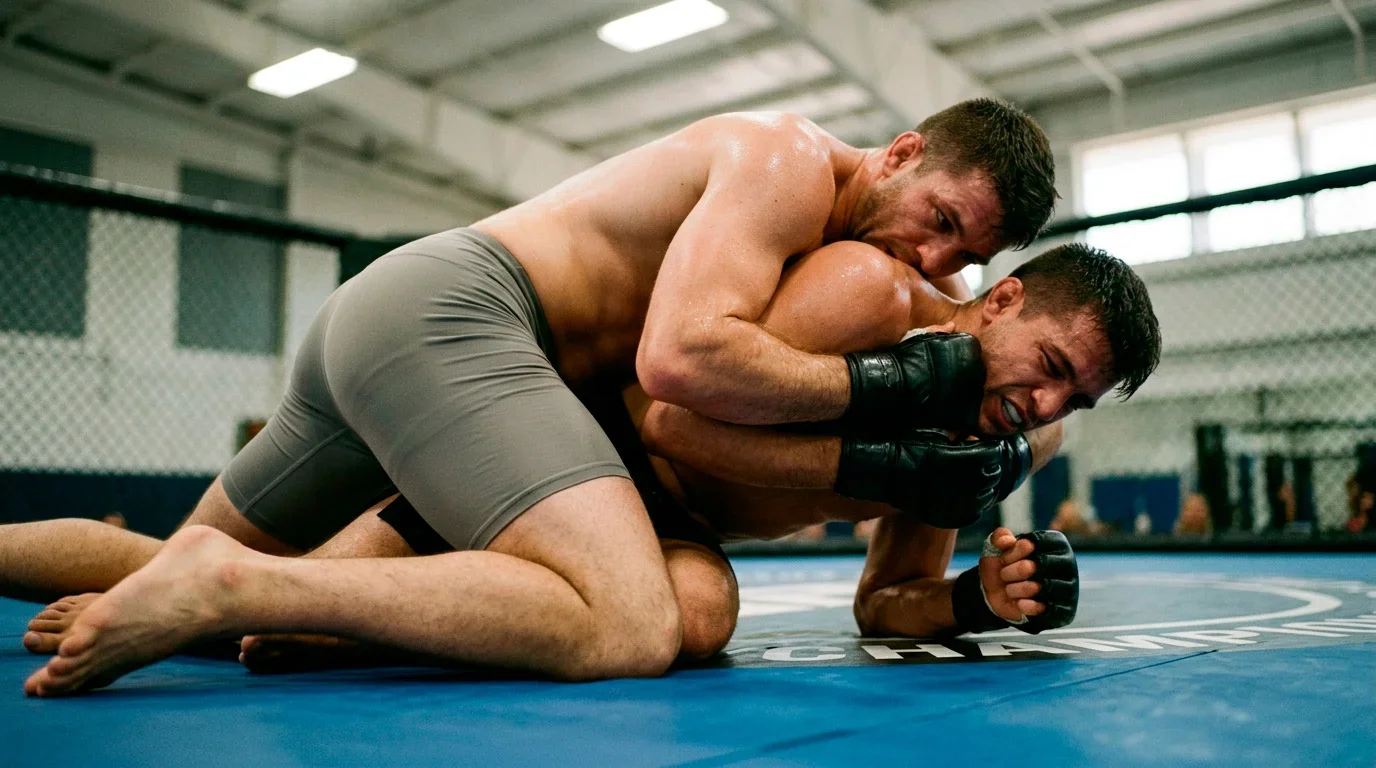
I find value in performance props when the matchup creates a predictable dynamic that the prop line does not fully reflect. A wrestler facing a striker with poor takedown defence might be offered at over/under 2.5 takedowns. If the wrestler averages 4.2 takedowns per fifteen minutes against opponents in a similar stylistic bracket, the over looks appealing. The key is working with fighter-specific averages rather than division-wide baselines.
Significant strikes props follow a similar logic. A volume striker who averages 6.5 significant strikes per minute will comfortably clear a line set at over 85.5 total significant strikes in a three-round fight — that is roughly 4.75 per minute needed — as long as the fight goes deep enough. The risk is always an early finish that caps the total before the line is reached.
Specials and Novelty Props
Specials markets appear around major UFC events and cover outcomes beyond individual fights. Fight of the Night bonuses, whether any fight on the card ends in the first round, total finishes across the card, and similar event-level propositions fall into this category.
Live and in-play betting accounted for 62.35% of online betting revenue in 2025, and that trend has pushed bookmakers to expand their specials menus for marquee events. During numbered cards, you will often find props on whether the main event goes the distance, whether there will be a submission on the main card, or whether any fighter on the card will earn a post-fight bonus. These are entertainment bets more than analytical ones, but they have a place if you enjoy broadening your engagement with a full card.
My rule with specials is to avoid them unless the price is obviously mispriced relative to the card composition. If every fight on a main card features at least one knockout artist, the “yes” on “any first-round finish” can be priced generously because the probability is higher than the market implies based on base rates alone.
How Props Are Priced and Where the Edges Live
Line movement is more frequent and impactful in UFC than in most other sports — when a matchup is announced, bookmakers identify an underdog and a favourite, and as public money flows, the lines shift accordingly. That dynamic affects props too, but with a lag. Moneyline and method markets adjust first because they attract the most volume. Prop markets adjust later, if at all, which means they can remain soft even after the main markets have tightened.
The structural reason for this is volume. Bookmakers price props with wider margins to compensate for lower handle, which means the overround on prop markets is higher than on the moneyline. But within that wider margin, individual props can still be mispriced in your favour. The trick is not to bet props indiscriminately — the higher margin will grind you down over time — but to select the specific props where your matchup analysis gives you an edge that exceeds the bookmaker’s built-in cushion.
For a deeper breakdown of how method-specific markets and props intersect, the full UFC bet types overview covers the relationships between these markets in detail.
Props Reward Specificity, Not Volume
The trap with prop bets is treating them like a menu and ordering everything that looks interesting. A card with twelve fights can generate over a hundred individual prop markets, and the temptation to sprinkle small stakes across a dozen of them is real. Resist it. Props pay best when you have a narrow, well-supported thesis about a specific aspect of a specific fight. Bet that thesis, collect or lose, and move on.
What does ‘fight to go the distance’ mean as a prop bet?
It is a yes/no bet on whether both fighters survive all scheduled rounds and the fight is decided by the judges. If the fight ends by KO/TKO, submission, disqualification, or any other stoppage before the final bell, the ‘no’ side wins. If both fighters are still standing at the end of all rounds and it goes to the scorecards, the ‘yes’ side wins.
Are UFC prop bets available on every fight card?
Availability varies. Numbered UFC events and high-profile Fight Night main events typically offer the widest range of props, including fighter performance and specials markets. Lower-profile prelim fights may only have basic props like go-the-distance or method of victory. Coverage also depends on your bookmaker — some UK operators offer more UFC props than others.
Prepared by the how to bet on a ufc Fight editorial staff.