UFC Event Tiers: PPV vs Fight Night Wagering Dynamics
 Available in US
One of the most profitable adjustments I have made in nine years of UFC betting was treating Fight Night cards and numbered events as fundamentally different markets. I used to approach every card the same way — analyse the matchups, place the bets, track the results. It took two years of data before I realised my Fight Night results were significantly better than my numbered event results, and the reason had nothing to do with my analytical quality. It had everything to do with market dynamics.
The UFC stages 43 live events annually — 13 marquee numbered cards and 30 Fight Night events — producing roughly 350 hours of live programming. The new seven-year Paramount deal worth $7.7 billion is reshaping how those events are distributed and promoted, but the structural difference between the two tiers remains central to how betting markets function.
Event Format Variances – Roster Depth and Odds Speed
Numbered events — UFC 300, UFC 310, and so on — are the organisation’s flagship cards. They feature the highest-profile matchups, championship fights, and the deepest collection of ranked fighters. These cards typically carry five to six high-profile bouts on the main card, with additional fights on the prelims. They generate the most media coverage, the most social media conversation, and the most betting volume.
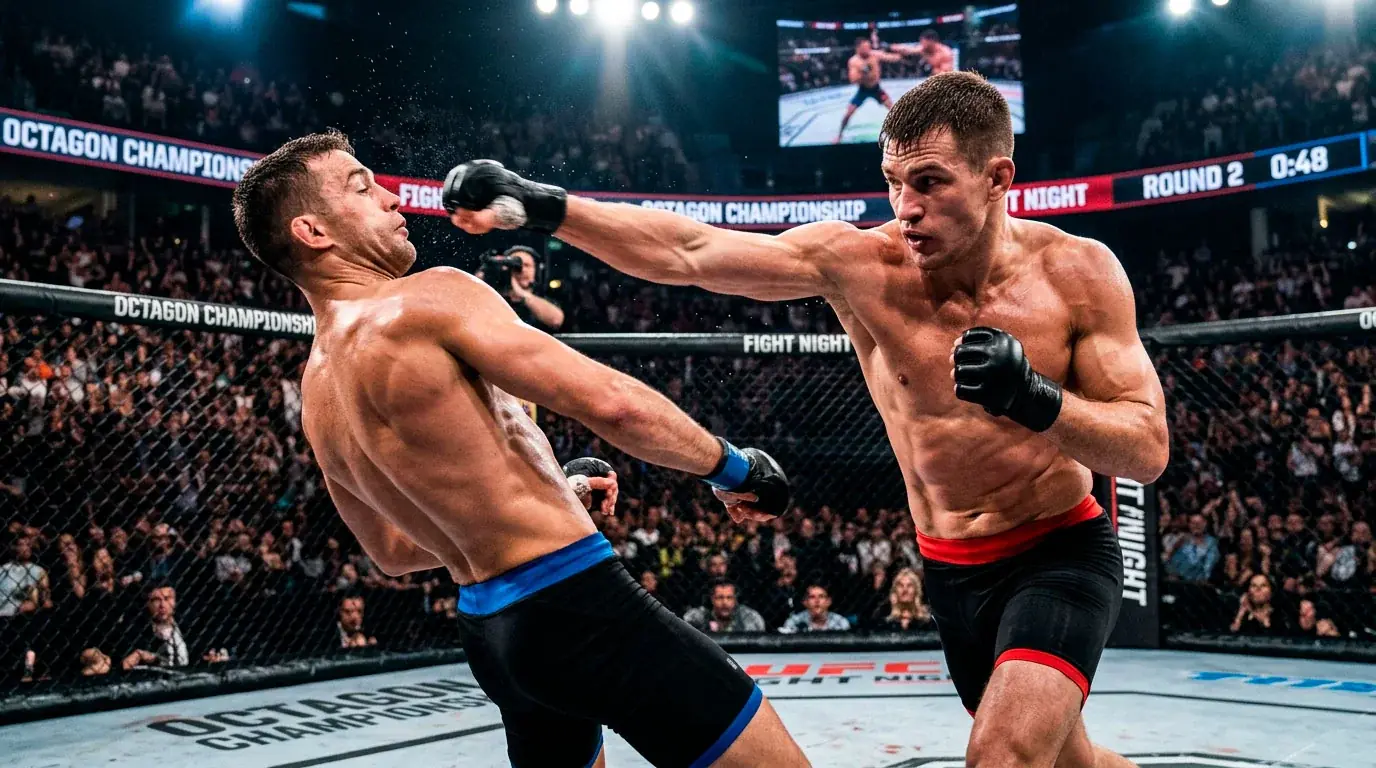
Fight Night events are the workhorses of the UFC calendar. They run almost weekly, feature fewer ranked fighters, and often showcase rising prospects or matchups between unranked but competitive opponents. The main event is a five-round fight, but the rest of the card is three-round bouts without the marquee star power of a numbered event.
The Paramount deal eliminates the pay-per-view model that previously differentiated numbered events, but the tier distinction persists in terms of roster allocation, promotion intensity, and — critically for bettors — market attention. Numbered events will still be the showcase cards. Fight Nights will still be the higher-frequency, lower-profile tier. What changes is access: every event becomes available to a wider audience, which may increase betting volume on Fight Nights over time.
Odds Availability and Market Depth
The betting markets for numbered events are deeper, more liquid, and more tightly priced than those for Fight Night cards. Bookmakers assign their most experienced MMA traders to numbered events because the handle — the total amount wagered — is higher. More trader attention means more efficient odds, which means fewer pricing errors and fewer opportunities for bettors to find value.
Fight Night markets, by contrast, receive less attention from both bookmakers and the betting public. The odds are posted later, the prop markets are thinner, and the lines are adjusted less frequently in the days leading up to the event. For a bettor with strong analytical skills and a willingness to study lower-profile fighters, this inefficiency is an advantage. The same analytical edge that produces a small return against efficiently priced numbered-event odds can produce a meaningful return against softer Fight Night lines.
Prop markets illustrate the gap most clearly. A numbered event main card might offer method of victory, exact round, go-the-distance, and fighter performance props for every fight. A Fight Night prelim might offer only moneyline and over/under rounds, with limited or no method markets. If your analytical strength lies in method or prop betting, numbered events give you more markets to work with. If your strength is moneyline and totals, Fight Nights offer softer pricing on fewer markets.
Line Movement Speed Differences
Line movement behaves differently across card tiers, and understanding the tempo is essential for timing your bets correctly.
On numbered events, sharp money arrives within hours of the line opening. The opening odds are targeted immediately by professional bettors who have been preparing for the card since the matchups were announced. By midweek, the lines have often settled into a narrow range that reflects the market’s consensus view. Late-week movement is predominantly driven by public money — casual bettors placing wagers after consuming media coverage, preview shows, and social media predictions.
Fight Night lines move more slowly and less predictably. Sharp bettors do engage with Fight Night cards, but with less urgency and lower stakes. The opening line may sit untouched for a day or two before any meaningful money arrives. This creates a longer window to evaluate the opening price and decide whether it represents value — a luxury that numbered events rarely afford.
Dana White has spoken about the UFC’s commitment to a healthy legal betting ecosystem, emphasising that the organisation supports legal betting to drive fan engagement, broadcast value, and sponsorships. That support translates into consistent scheduling and promotion for both card tiers, which benefits bettors by creating reliable, regular market opportunities rather than concentrating all activity on a handful of major events.
Which Card Tier Suits Which Bettor
The answer depends on your strengths, your bankroll, and how much time you invest in research.
If you are a newer bettor still developing your analytical framework, Fight Night cards are the better starting point. The lower public attention means the market is less efficient, which provides a wider margin for error. The fighters are less well-known, which forces you to rely on data and film study rather than narrative — a habit that will serve you well as you progress to higher-profile events.
If you specialise in prop markets, bet builders, or method of victory bets, numbered events offer the market depth you need. These bets simply are not available or are thinly priced on most Fight Night cards. Your edge depends on having markets to exploit, and numbered events provide them.
If you are a volume bettor who places multiple wagers per card, Fight Nights offer a higher frequency of opportunity — 30 events per year versus 13. The cumulative edge from consistently finding soft lines across 30 cards can exceed the edge from occasional value plays on 13 more efficiently priced cards.
I split my betting activity roughly 60/40 in favour of Fight Nights, primarily because the softer pricing compensates for the narrower market selection. My per-bet ROI is higher on Fight Nights than on numbered events, even though my analytical confidence is often higher on the bigger cards. The market’s inefficiency outweighs my informational advantage, and I have learned to follow the numbers rather than my ego. For more on how line movement timing differs and how to use it, the line movement guide covers both card tiers in detail.
Two Tiers, Two Strategies
Treating every UFC event identically is a missed opportunity. The card tier shapes the market’s efficiency, the available bet types, the line movement tempo, and the competitive dynamics of the fights themselves. Adjust your approach to match the tier, and you will find edges in both — just in different places and at different speeds.
Do UFC Fight Night events have fewer betting markets than numbered cards?
Yes. Numbered events typically offer deeper prop markets, more method of victory options, and wider bet builder selections because they attract more betting volume and receive more trader attention from bookmakers. Fight Night cards may only offer moneyline and basic totals for prelim fights, with fuller markets reserved for the main event and co-main event.
Are underdogs more common on Fight Night cards than PPV events?
Fight Night cards tend to feature more closely matched fighters outside the rankings, which produces more competitive odds and a higher proportion of near-even or plus-odds matchups. Numbered events concentrate the most lopsided matchups — title fights with dominant champions, for instance — which inflates the proportion of heavy favourites on those cards. The underdog win rate is comparable across both tiers, but the pricing is often softer on Fight Nights.
Created by the ”how to bet on a ufc Fight” editorial team.