UFC Futures Betting and Champion Outright Markets
 Available in US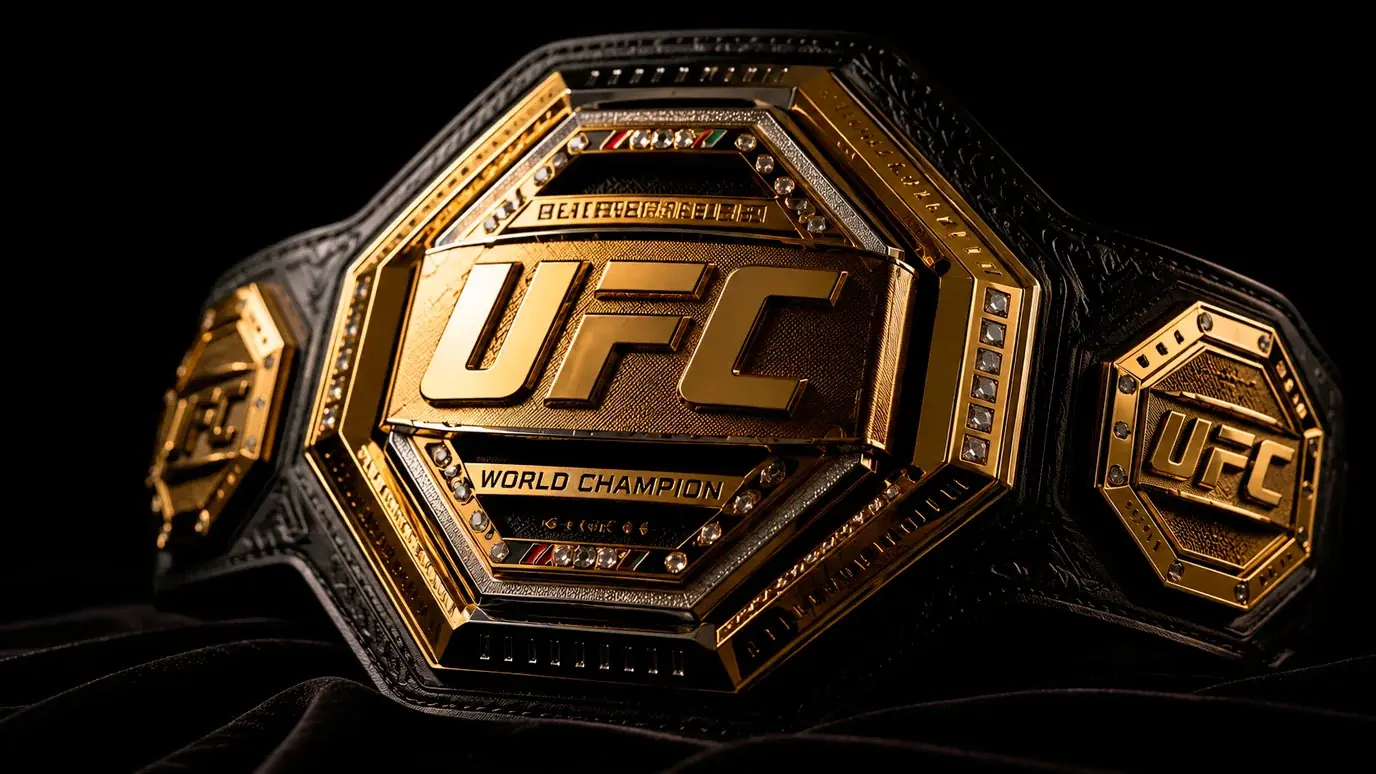
In late 2022, I placed a futures bet on a middleweight contender at 14/1 to become champion within the next twelve months. He lost his very next fight. The stake sat dead in my account for weeks — a reminder that futures betting ties up capital with no guarantee of any return, sometimes for months on end. But two fights later, a title shot materialised through a chain of injuries and withdrawals nobody predicted, and the same fighter I had backed was suddenly in the cage for the belt. He won. That single ticket paid more than my entire quarter of moneyline bets combined.
Futures markets are the slowest-burning corner of UFC betting. The global UFC market is valued at roughly $1.74 billion in 2026, and the organisation’s new seven-year deal with Paramount — worth $7.7 billion — is set to reshape how title fights are scheduled and promoted. All of that commercial momentum trickles down into futures pricing. Understanding when and where to deploy your money in these long-term markets is the subject of this guide.
Long-Term MMA Markets – Investing in Future Champions
A futures bet asks you to predict which fighter will hold a championship belt at a specified point in time or after a particular event. The most common format is “next champion” or “champion by end of year” in a given weight division. Some bookmakers also offer futures on whether a specific fight will happen, or which fighter will have the most wins in a calendar year, though these novelty markets are less widely available in the UK.
The mechanics are straightforward: you select a fighter from a list, place your stake, and the bet remains open until the market settles. Settlement can take weeks or months, depending on how the title picture develops. Your money is locked in for the duration, earning no return until the outcome is determined.
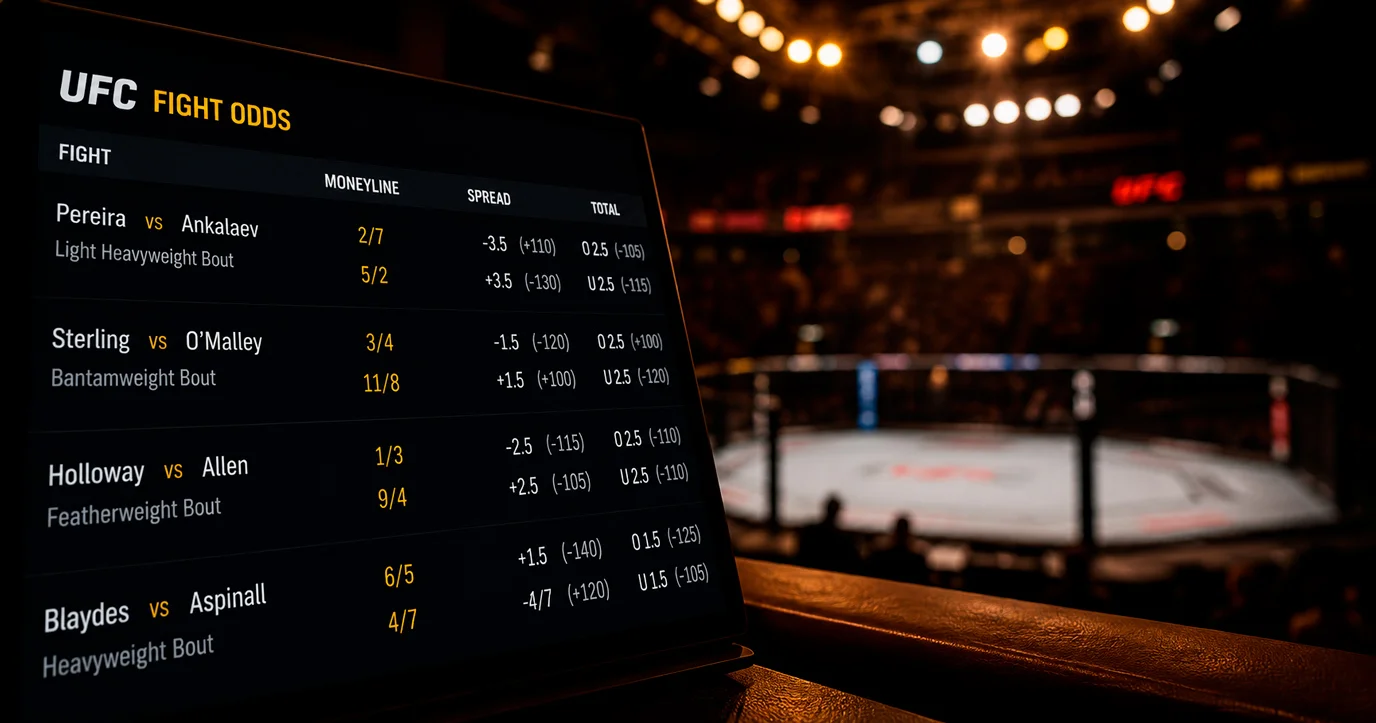
Odds on futures markets are typically much longer than individual fight odds because the probability of any single fighter claiming a belt is inherently lower. A contender who is 3/1 on the moneyline for their next fight might be 10/1 or longer in the futures market because they need to win that fight and then win the title bout afterward. Every step in the chain multiplies the uncertainty.
Timing Your Futures Bet
Timing is the single biggest factor separating profitable futures bettors from everyone else. The odds on a contender shift dramatically depending on when you place the bet relative to key events — fight announcements, injuries, weigh-in results, and title-fight outcomes.
The UFC’s Paramount deal eliminates the pay-per-view model and restructures how marquee events are scheduled. That means title fights will be distributed differently across the calendar, with more consistent scheduling rather than clustering around PPV cards. For futures bettors, this creates more frequent price adjustment points — each scheduled title fight announcement is an opportunity to evaluate whether the market has moved ahead of or behind the actual probability.
I look for two specific windows. The first is immediately after a champion wins a dominant title defence. Public attention moves on quickly, and the futures odds on the next challenger often remain generous for a day or two before the market recalibrates. The second window is after a contender loses a non-title fight but remains in the title picture due to rankings or promotional interest. The loss tanks their futures price, but if the underlying skill set has not changed and the loss was competitive, the longer odds can represent genuine value.
The worst time to place a futures bet is right after a title fight is announced. That is when the market is most efficient — bookmakers and sharp bettors have already priced in the matchup, and there is little room for the casual bettor to find an edge.
Which Divisions Offer the Best Value
Not all weight classes are created equal when it comes to futures. The divisions with the most parity — where the champion is vulnerable and several contenders have legitimate paths to the belt — tend to offer the best futures value because the market has to distribute probability across more fighters.
Lightweight and welterweight have historically been the deepest divisions, with large rosters of elite fighters and frequent turnover at the top. When four or five contenders each have a plausible shot at the belt, the odds on each individual fighter are longer, and a sharp analysis of matchup dynamics can identify mispriced contenders.
By contrast, divisions dominated by a single long-reigning champion tend to compress the futures market. The champion sits at short odds, and the contenders are priced as long shots with little differentiation between them. Finding value in those divisions requires a specific belief that the champion is declining or that a particular challenger matches up unusually well — a higher bar for conviction.
Women’s divisions are worth watching because the smaller roster size means title shots can materialise from unexpected positions. A fighter ranked fifth or sixth in a shallow division is closer to a title fight than a fighter ranked fifth in the men’s lightweight division, and the market does not always account for that proximity correctly.
The Risks You Accept With Long-Term Markets
Futures bets carry risks that single-fight wagers do not. The most obvious is capital lockup — your stake is unavailable for other bets until the market settles. Over a six-month futures window, that capital could have been deployed across dozens of individual fights. The opportunity cost is real and often underestimated.
Injuries are the invisible tax on futures betting. A contender you backed at 8/1 can tear a ligament in training camp and be out for eighteen months, effectively killing your bet without a fight ever taking place. Some bookmakers will void the bet if a fighter retires or is removed from the roster, but injury-related inactivity usually just leaves your stake in limbo.
Promotional decisions also play a role. The UFC has the power to bypass rankings and book title fights based on commercial appeal. A deserving contender can be leapfrogged by a bigger name, delaying or eliminating the path you were counting on. This is not conspiracy — it is the business model of a $1.5 billion revenue organisation, and your futures analysis needs to account for it.
I limit my futures exposure to no more than 5% of my total bankroll at any time, and I never have more than two or three open futures positions simultaneously. The key is patience and selectivity. A futures bet should feel like a long-term investment, not a lottery ticket. For more on how weight divisions shape the title picture and your betting options, the weight class betting guide covers those dynamics in detail.
Playing the Long Game Without Losing Your Edge
Futures betting is not for everyone. It demands patience, a tolerance for capital being tied up, and the discipline to resist adding positions every time an exciting matchup is announced. But for bettors who study division dynamics deeply and are willing to wait months for a return, the prices available in futures markets are some of the longest in UFC betting. The edge comes from timing, patience, and a willingness to bet on trajectories rather than single moments.
How long does a UFC futures bet take to settle?
Settlement depends on the market and the division’s activity. Some futures bets settle within a few weeks if a title fight is imminent. Others can take six months or longer if the champion is between defences or if injuries delay the title picture. Your stake remains locked until the market reaches its defined settlement point.
Can I cash out a UFC futures bet early?
Some UK bookmakers offer partial or full cash-out on futures positions if the odds have moved in your favour. For example, if the contender you backed has won an interim title and the full cash-out offer reflects a profit, you can take it without waiting for the final settlement. Availability varies by operator and by market, so check before placing the bet if early cash-out matters to your strategy.
Written by the editors at how to bet on a ufc Fight.