UFC Underdog Betting and Plus-Odds Selection Data
 Available in US
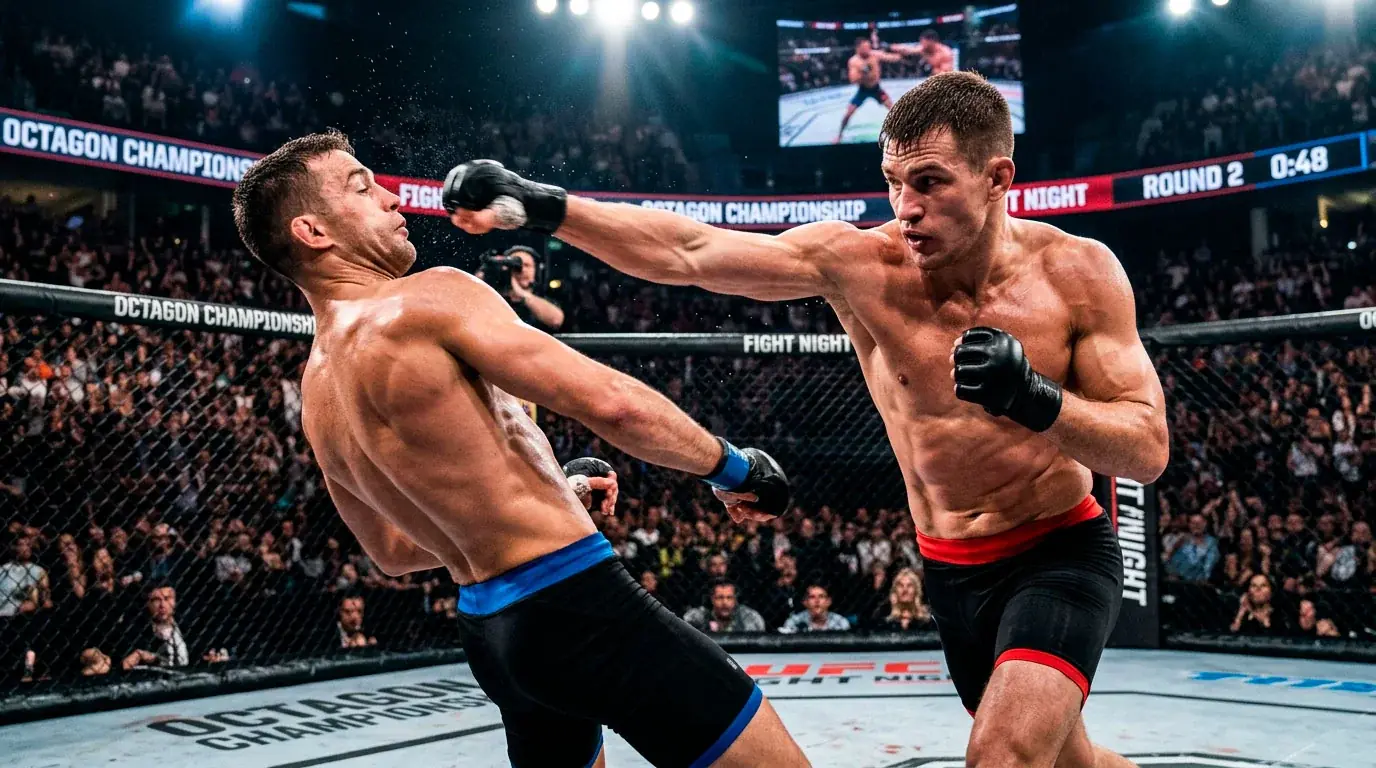
I once watched a friend tear up his betting slip after a heavy favourite lost to a late-replacement fighter nobody had heard of. He had stacked three favourites in a parlay, and the unknown underdog blew up his entire night. What struck me was not the loss itself — upsets happen — but the fact that he had never even considered the other side. Favourites won about 72% of UFC fights in 2024, which means underdogs won the other 28%. That is not a rounding error. That is more than one in four fights going the other way, and those wins pay at plus-odds prices that can transform a month of results.
Underdog Win Metrics – Historical Frequency by Division
A 28% underdog win rate sounds modest until you start mapping it against the prices being offered. UFC odds in the close range — roughly even money to slight favourite territory — have historically proven accurate only about 51% of the time since 2013. That means in competitive matchups, the market is barely better than a coin flip at identifying the winner, yet one side is still priced as a favourite and the other as an underdog. The gap between implied probability and actual probability is where underdog value lives.
At wider spreads, the picture changes. Heavy favourites in the -400 to -900 range (roughly 2/9 to 1/9 in fractional odds) have won between 88% and 93% of the time historically. The market is genuinely more accurate at the extremes. But that narrow band of competitive matchups — where odds sit between even money and about 2/1 — is consistently where the underdog is mispriced.
Toby from Punter2Pro captured the opportunity well: underdogs win surprisingly often in MMA, and with the right analysis, bettors can find value where bookmakers may underrate a fighter’s style or momentum. The key word there is “right analysis.” Blind underdog betting does not work. Selective underdog betting, filtered through matchup logic, does.
Where the Value Hides
Late Replacements
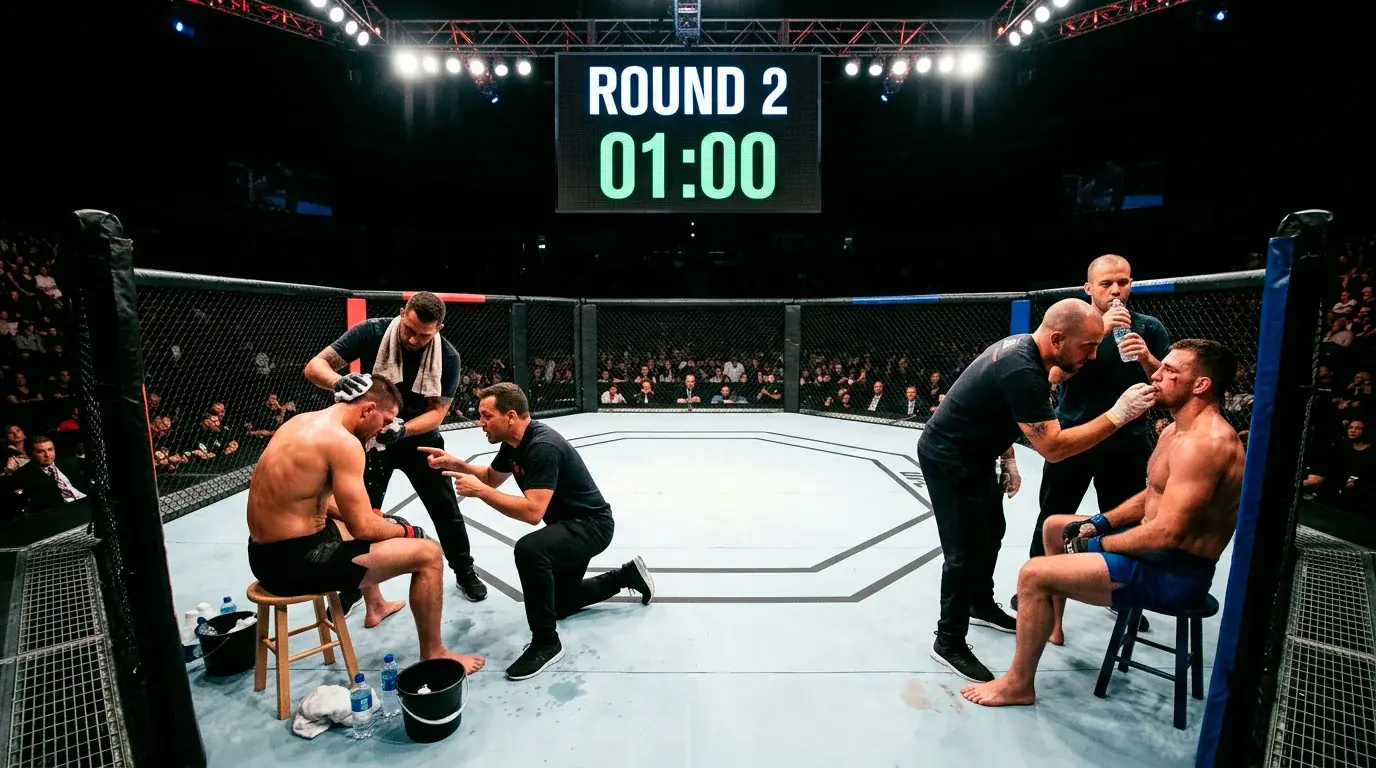
Late replacements are fighters who step in on short notice — typically two weeks or less — after an original opponent withdraws due to injury or illness. The market almost always overreacts to the disruption. The replacement is priced as a heavy underdog because they had less time to prepare a specific game plan, and the narrative favours the fighter who has had a full training camp.
But late replacements also carry hidden advantages. They are often desperate for the opportunity and fight with an aggression and fearlessness that fully prepared fighters do not always match. They have nothing to lose and everything to gain. And the fighter they are facing has prepared for a completely different opponent — different stance, different style, different tendencies. The game plan that was built over eight weeks of camp is suddenly irrelevant.
I pay close attention to late-replacement scenarios because the odds adjustment is frequently larger than the actual probability shift warrants. A replacement fighter stepping in at 3/1 or 4/1 who would have been closer to 6/4 with a full camp represents a genuine pricing error.
Style Clashes That Favour the Dog
Stylistic matchups are the richest source of underdog value in the UFC. The market tends to price fighters based on their overall record and recent form, but MMA is a sport where individual matchups matter enormously. A fighter with a losing record against wrestlers might be an excellent bet at plus-odds against a pure striker who cannot take them down.
The classic value spot is a grappler priced as an underdog against a striker. The public gravitates toward exciting strikers and knockout artists, which inflates the favourite’s odds beyond what the matchup warrants. If the underdog can take the fight to the ground — and their takedown numbers support this — the in-fight dynamic shifts entirely. The striker’s advantage evaporates on the mat, and the grappler’s path to victory opens up through control, ground-and-pound, or submission.
Counter-strikers are another profile that gets underpriced. Fighters who wait for opponents to lead, then time them with clean shots, often look passive on highlight reels. The market undervalues patience and precision, which means counter-strikers entering fights as underdogs against volume-heavy opponents can carry real edge.
Selection Criteria: Filtering Out the Noise
Not every underdog deserves your money. The majority of underdogs lose, and a scattershot approach to backing plus-odds fighters will drain your bankroll reliably. I use a checklist of four filters before considering an underdog bet.
First, the stylistic question: does the underdog’s primary skill set create a problem for the favourite? If yes, continue. If the favourite is well-rounded enough to neutralise the underdog’s best weapon, stop.
Second, recent activity: has the underdog fought within the last six months? Long layoffs introduce uncertainty that the market may or may not be pricing correctly. A fighter coming back after twelve months off is harder to evaluate, and I generally avoid those spots unless the layoff was voluntary rather than injury-related.
Third, the odds threshold: I look for underdogs in the range of even money to 3/1. Beyond 3/1, the implied probability drops below 25%, and while upsets at longer odds absolutely happen, the hit rate is low enough that you need very high conviction to justify the variance. Inside even money, the fighter is barely an underdog and the value proposition is thinner.
Fourth, line movement: is the underdog’s price shortening or drifting? If the underdog is moving from 5/2 to 2/1, sharp money may be behind the move, which is a positive signal. If the underdog is drifting out from 2/1 to 3/1, the market is losing confidence, and you need a strong independent reason to go against that flow. For a detailed breakdown of how to identify and exploit these price discrepancies, the value betting guide covers the mechanics of finding edges the bookmakers miss.
Playing the Dog Without Getting Bitten
Underdog betting is a variance game. You will lose more often than you win, and the emotional toll of consecutive losses at plus-odds can push you into abandoning the strategy just before it pays off. The antidote is strict unit sizing — I stake underdogs at half my standard unit or less — and a long enough time horizon to let the maths work. A 28% win rate at an average price of 5/2 is profitable over a hundred bets. It is not profitable over ten, because the variance will eat you alive in small samples. Trust the process, size appropriately, and let the upsets compound.
How often do underdogs win in the UFC?
Underdogs won approximately 28% of UFC fights in 2024, meaning more than one in four bouts ended with the higher-priced fighter winning. The rate is higher in competitive matchups where the odds are close to even and lower in fights with heavy favourites, where the market is more accurate.
What makes a UFC underdog a good betting pick?
The strongest underdog selections combine a favourable stylistic matchup with recent activity and a price in the even-money to 3/1 range. Look for fighters whose primary skill set creates a specific problem for the favourite — a wrestler against a striker with poor takedown defence, or a counter-puncher against a wild volume fighter. Avoid underdogs without a clear path to victory just because the price is long.
Created by the ”how to bet on a ufc Fight” editorial team.