UFC Stylistic Matchups for Betting: Striker vs Grappler and Beyond
 Available in US
I lost a bet once on a fighter who was statistically superior in almost every category — better striking accuracy, higher takedown defence, more finishes on his record. What I had failed to account for was that his opponent’s specific style neutralised every single one of those advantages. The counter-puncher’s timing exploited the favourite’s habit of leading with wide hooks, and the fight ended in the second round with a short right hand that barely looked powerful enough to hurt anyone. Styles make fights, and fights make — or break — bets.
Favourites won about 72% of UFC bouts in 2024, but that aggregate masks the reality that certain stylistic matchups produce upset rates far above the average. Understanding those matchup dynamics is how you identify fights where the market’s assessment of probability is wrong.
Striker vs Grappler
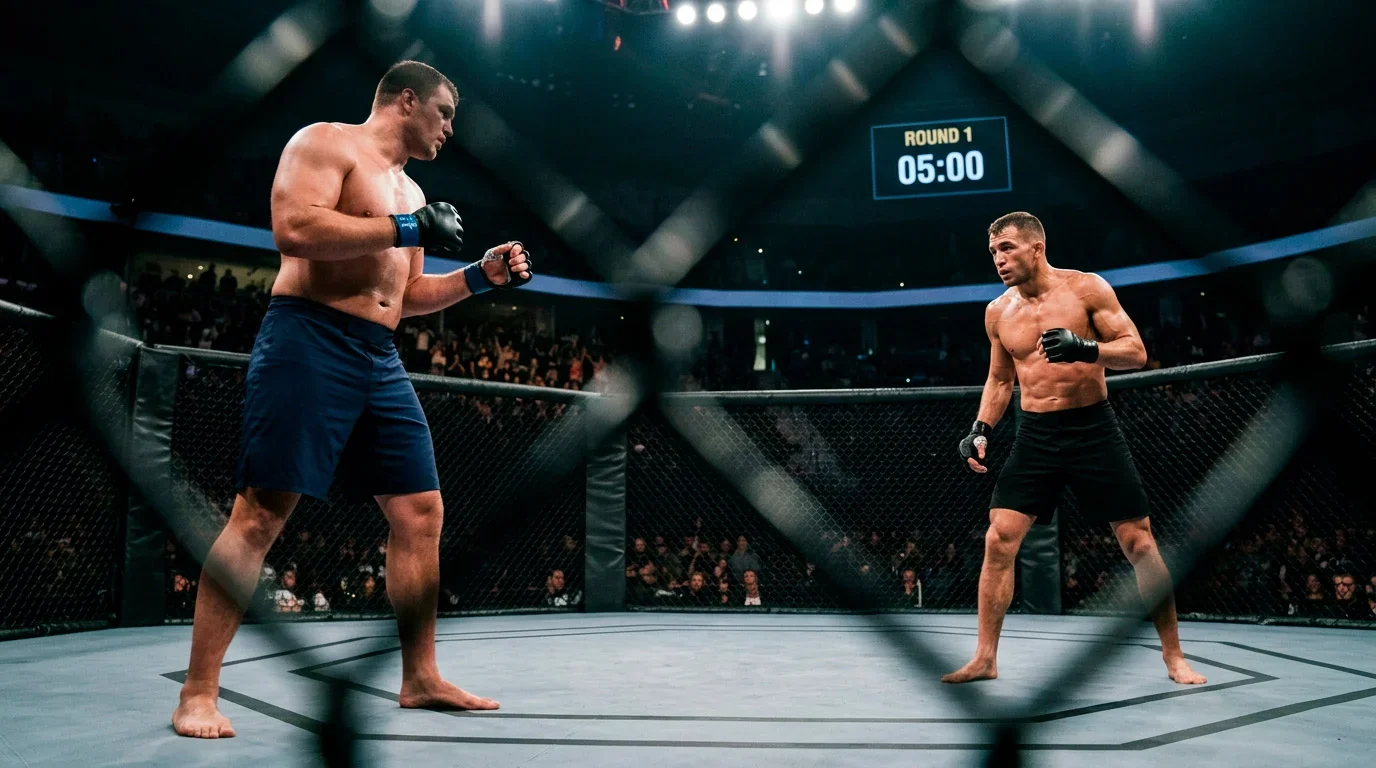
The oldest and most fundamental matchup in MMA is the striker who wants to keep the fight on the feet against the grappler who wants to take it to the ground. The entire fight reduces to one question: who dictates the location?
If the grappler has a takedown accuracy above 45% and the striker has a takedown defence below 60%, the grappler will likely succeed in getting the fight to the mat — and once there, the striker’s advantage evaporates. The grappler controls the pace, accumulates ground-and-pound damage or positional control for scoring, and threatens submissions. The striking stats that make the favourite look dominant on paper become irrelevant on the ground.
The market consistently overvalues strikers in this matchup type because striking highlight reels are more visible and more shareable than grappling dominance. A knockout artist with a flashy record attracts public money, which shortens their price and lengthens the grappler’s. When the grappler’s takedown numbers support their ability to dictate location, the plus-odds price on the grappler often represents genuine value.
The reverse scenario — a grappler favoured against a striker with elite takedown defence — is equally worth studying. If the striker can keep the fight standing, the grappler’s primary weapon is neutralised. In these cases, the grappler’s price may be too short because the market is pricing their overall record rather than the specific matchup challenge they face.
Southpaw vs Orthodox
The stance matchup is one of the most underappreciated factors in UFC betting. When an orthodox fighter (right-handed, left foot forward) faces a southpaw (left-handed, right foot forward), the angles change for both fighters. The lead hands are on the same side, creating an open stance dynamic that makes jabs less effective and power hands more accessible.
UFC odds in the close range — roughly even money to slight favourite — have historically proven accurate only about 51% of the time since 2013, and stance mismatch is one of the variables that contributes to that low accuracy. Fighters who train primarily against orthodox opponents — the majority of any gym’s roster — are less prepared for the different angles a southpaw presents. The southpaw advantage is small but consistent, and the market does not systematically price it.
I flag every fight where the stance matchup is open (orthodox vs southpaw) and check whether the historical data supports an edge for either fighter based on their experience against the opposite stance. A southpaw who has fought primarily orthodox opponents and performed well in those bouts has a track record that justifies a slight probability adjustment in their favour — and even a one or two percentage point adjustment, when it is not reflected in the odds, constitutes value.
Pressure Fighter vs Counter-Puncher
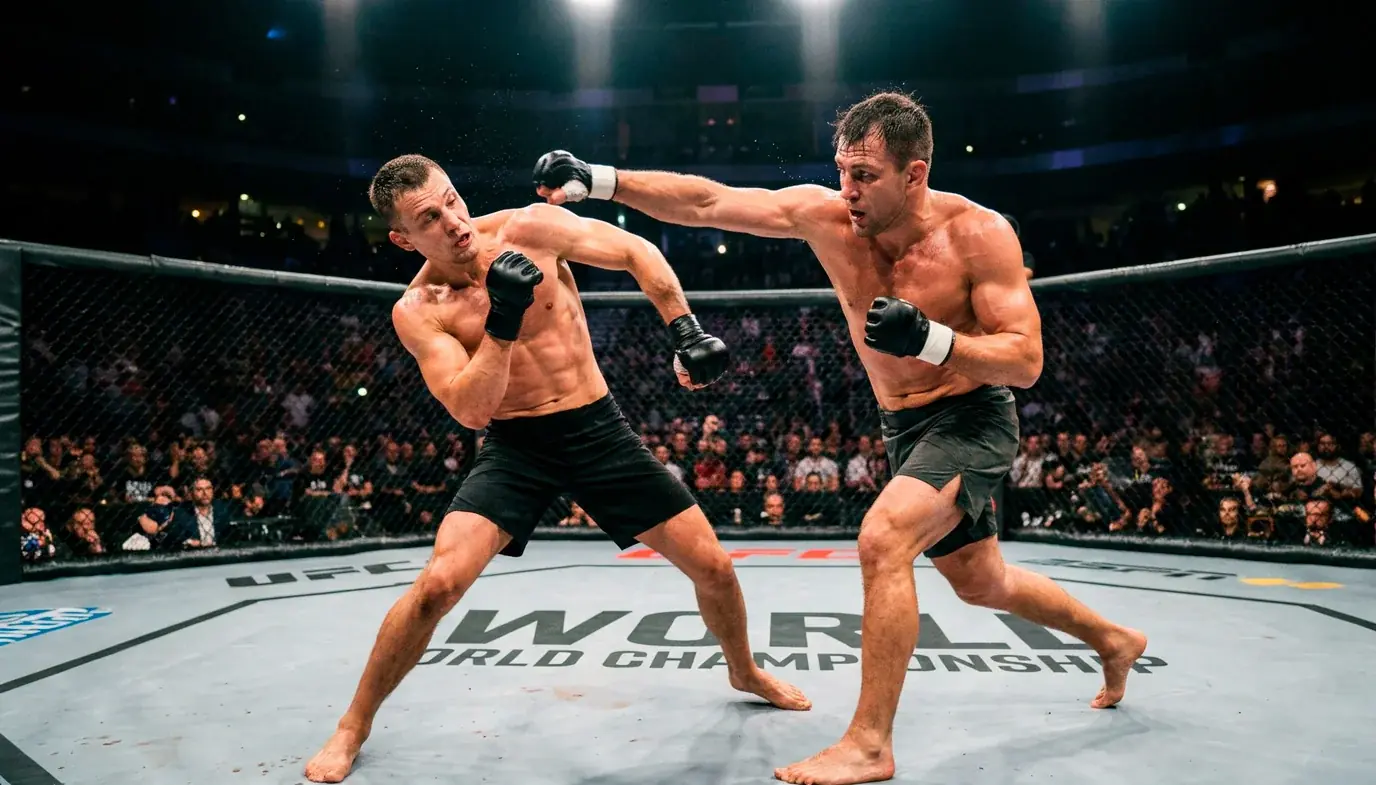
Pressure fighters move forward, cut the cage, and force exchanges. Counter-punchers retreat, maintain distance, and punish opponents who overcommit. This matchup is a test of patience and timing, and the market frequently misprices it because pressure fighting looks more impressive to the casual viewer.
Toby from Punter2Pro makes the broader point that underdogs win surprisingly often in MMA, and with the right analysis, bettors can find value where bookmakers underrate a fighter’s style or momentum. Counter-punchers are underrated by design — their style is reactive rather than proactive, which makes them look passive on film. But against a pressure fighter who leads with predictable combinations, the counter-puncher’s timing becomes a weapon. Each exchange favours the fighter who reads the attack before it arrives.
The method market in pressure-vs-counter matchups often carries mispriced KO/TKO odds on the counter-puncher. The public expects the pressure fighter to overwhelm — they are the one moving forward, the one throwing volume. But counter-punchers produce knockouts at a rate the market underweights because their shots are cleaner, better timed, and land on an opponent who is moving into the strike rather than away from it. The physics of a counter shot — combining both fighters’ momentum — generates more force than the raw stats suggest.
Translating Matchup Analysis Into Market Selection
The purpose of matchup analysis is not to produce a pick. It is to produce a market selection — to identify which bet type best captures the edge your analysis reveals.
A striker-vs-grappler matchup where the grappler controls location points toward the decision or submission method market, not the moneyline alone. A southpaw advantage in an open-stance fight might not change your winner pick but could tilt the method toward KO/TKO at a longer price. A pressure-vs-counter matchup suggests a specific method (counter knockout) and a specific timing window (later rounds, after the pressure fighter has revealed their patterns).
Every matchup type has a natural market affinity, and aligning your bet type with the matchup type increases your probability of capturing the right outcome at the right price. The moneyline is a blunt tool. The method, round, and totals markets are where matchup analysis translates into specific, higher-value positions. For a deeper look at how method markets are structured and priced, the method of victory guide covers each market in detail.
Every Fight Is a Style Question First
Records, rankings, and recent form all matter. But they matter within the context of the specific stylistic collision in front of you. A fighter’s record tells you what they have done. The matchup tells you what they can do — and cannot do — in this particular fight. Start every analysis with the style question, and the right market selection follows naturally.
How do stylistic matchups affect UFC betting odds?
Stylistic matchups are not directly priced into UFC odds — bookmakers set lines based on overall fighter quality, recent form, and public perception rather than the specific dynamics of each collision. This creates opportunities when a matchup favours one fighter’s style in a way the market has not fully accounted for. A grappler priced as an underdog against a striker with poor takedown defence is a classic example of a matchup edge the odds do not reflect.
Is a wrestler always favoured over a striker in UFC betting?
No. The outcome of a wrestler-vs-striker matchup depends on whether the wrestler can actually get the fight to the ground. A striker with elite takedown defence — 75% or higher — can neutralise even the best wrestlers and keep the fight in the range where their advantage is greatest. The market should price the specific takedown-vs-defence matchup, but often defaults to a general assessment of each fighter’s overall ability.
Prepared by the how to bet on a ufc Fight editorial staff.